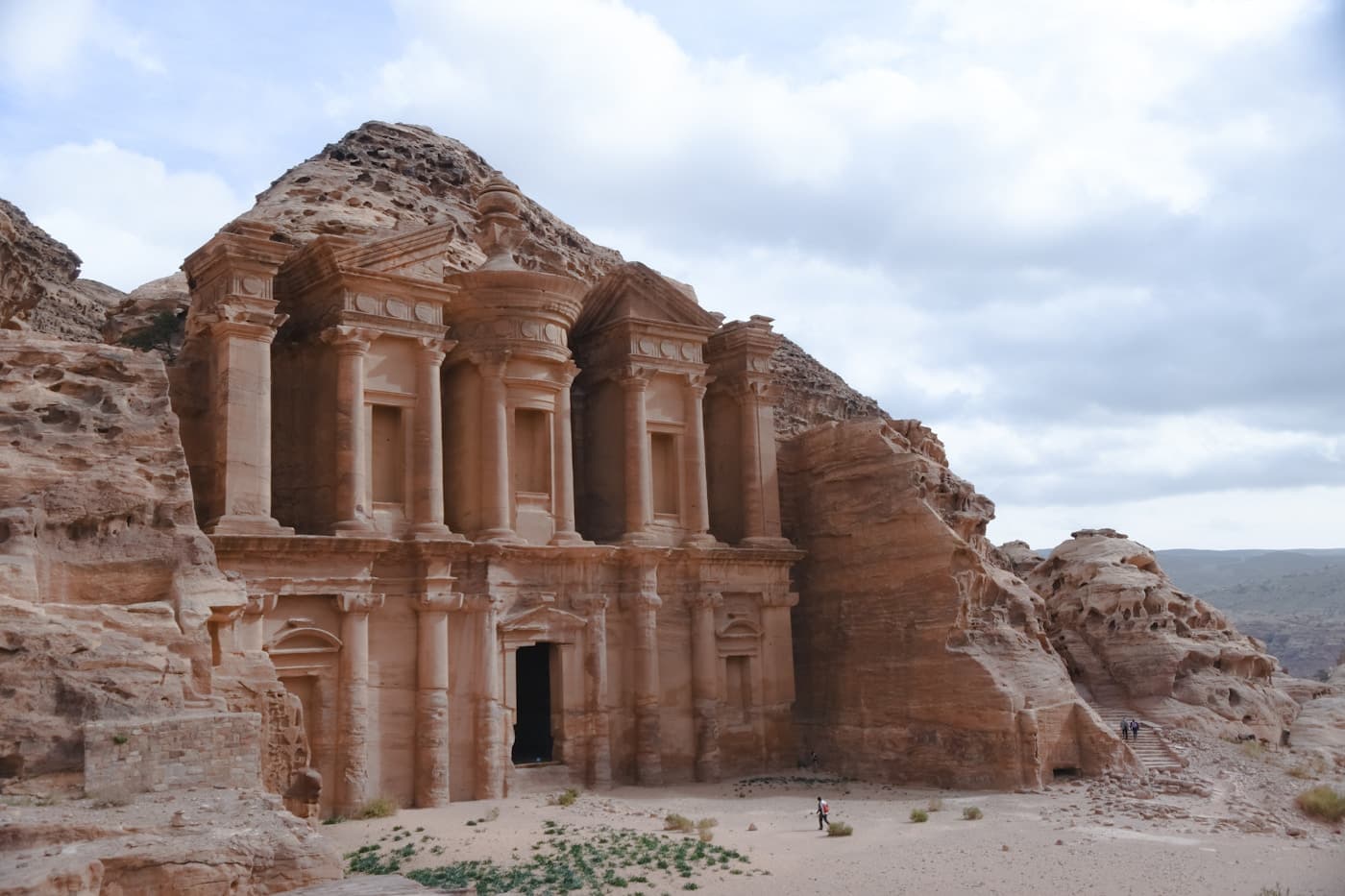
Petra
Carved into rose-red sandstone cliffs by the Nabataean people over 2,000 years ago, Petra is one of the world's most extraordinary archaeological sites. The journey begins in the Siq — a narrow, winding canyon that suddenly opens to reveal the iconic Treasury, its carved facade glowing in the desert light. Beyond the main monuments lies a vast landscape of royal tombs, colonnaded streets, and ancient water channels, most of it still unexplored. A full day here barely scratches the surface.
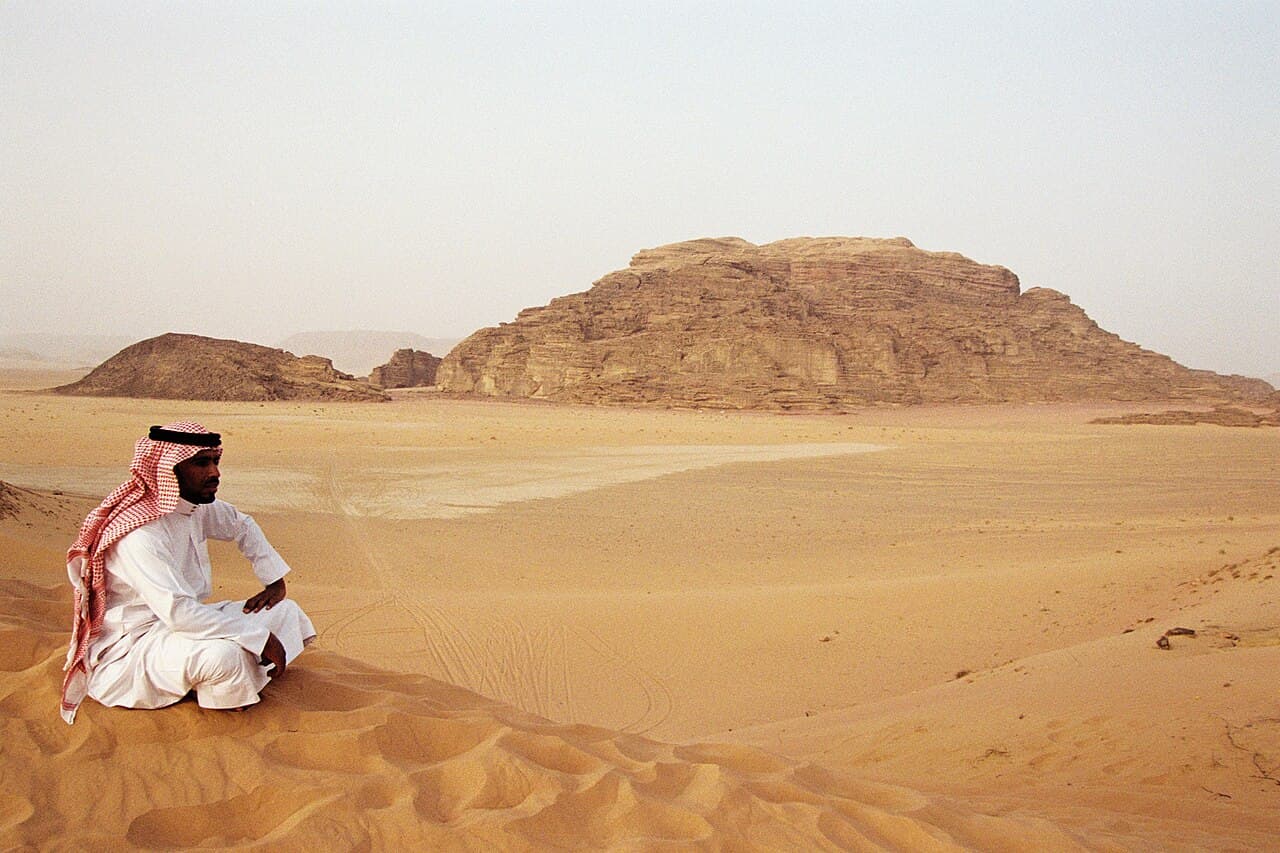
Wadi Rum
A protected desert wilderness of towering sandstone mountains, echoing canyons, and ancient rock inscriptions that date back 12,000 years. Lawrence of Arabia described it as "vast, echoing, and God-like." Explore it from an open 4x4 Jeep, ride a camel across the dunes at sunset, or spend a night in a Bedouin camp beneath a sky so full of stars it feels unreal. Few places on Earth look quite like this.
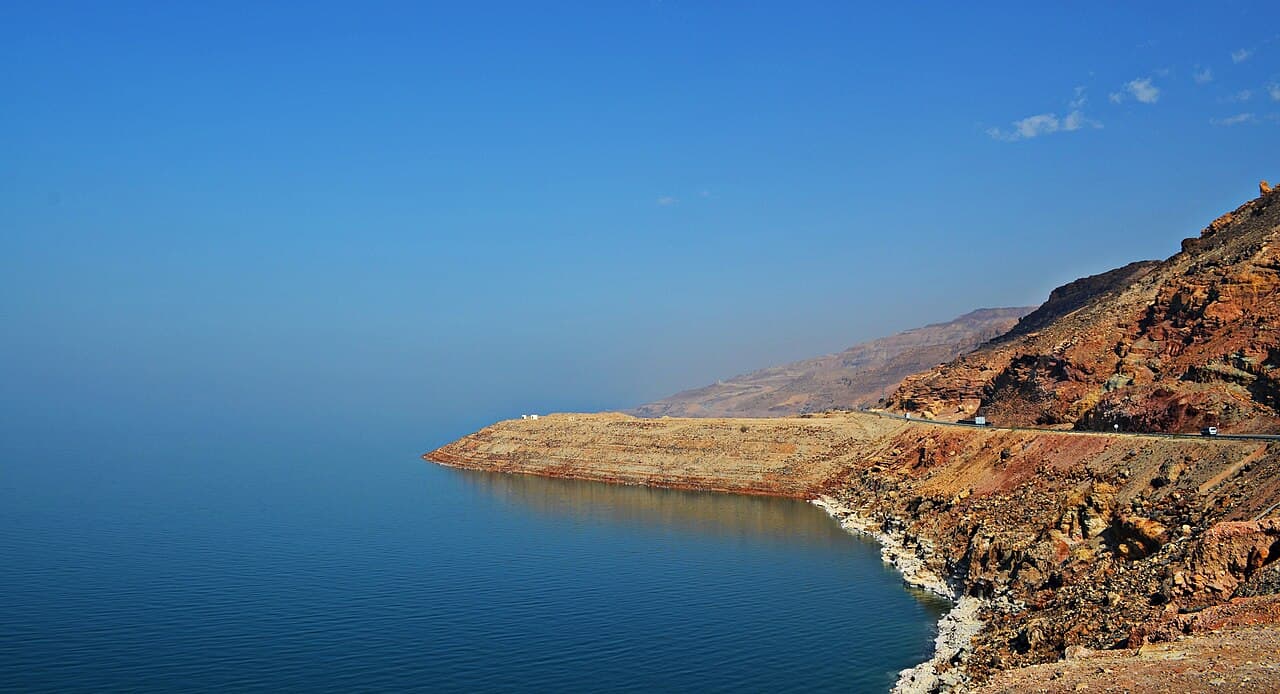
Dead Sea
The lowest point on Earth, 430 metres below sea level, where the water is so dense with salt that your body floats effortlessly on the surface. The mineral-rich black mud has been treasured for its skin-healing properties since antiquity — Cleopatra reportedly sourced her beauty products from here. At sunset, the light turns the water copper and the distant mountains of Palestine glow on the horizon. A surreal, serene experience unlike anything else.
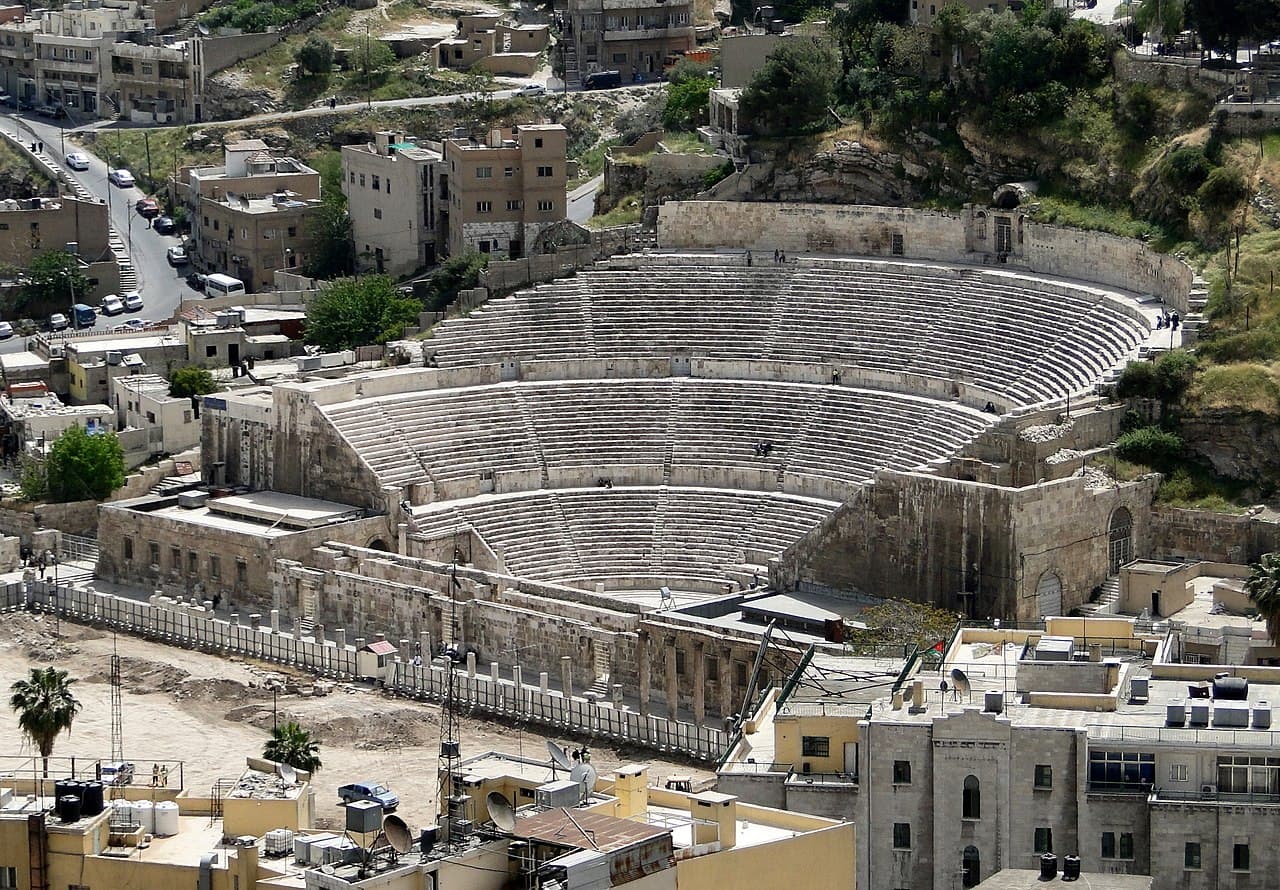
Amman
A city of layered contrasts — Roman ruins rise above contemporary rooftop cafés, the call to prayer echoes through modern art galleries, and a young, vibrant population drives a creative culture that surprises most first-time visitors. The Citadel sits at the city's heart, overlooking 9,000 years of continuous habitation. Start at the Roman Theatre, walk through the old Souk, and end the evening in a restaurant in Weibdeh where the city lights spread out below you.
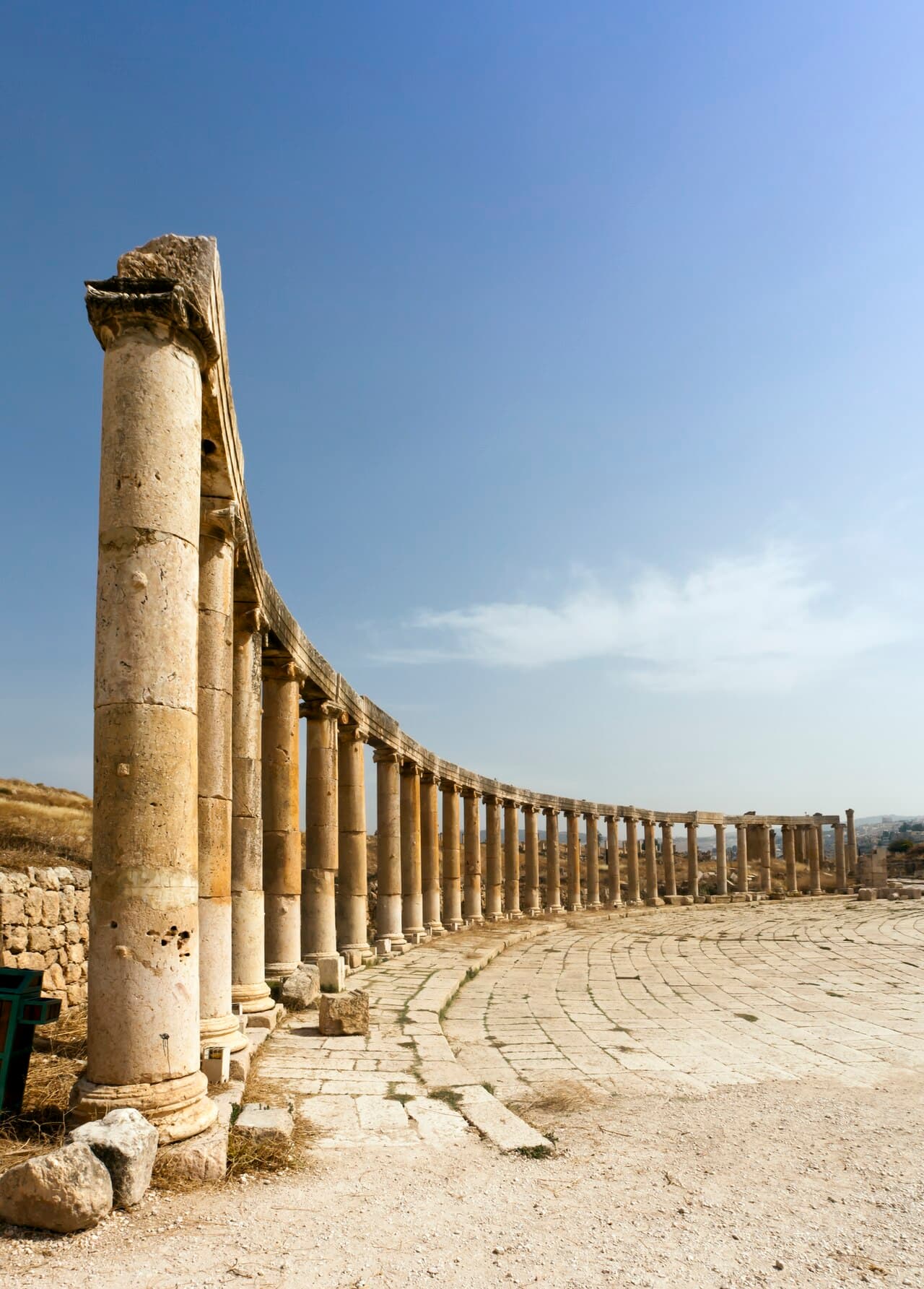
Jerash
One of the best-preserved Roman cities in the world, largely untouched since its peak in the 2nd century AD. Walk the same colonnaded streets that Roman citizens walked, stand in the oval forum surrounded by Ionic columns, and enter theatres that still stage performances today. The scale and completeness of Jerash is what sets it apart — unlike many ancient sites, here you can genuinely picture the city as it once was, full of life and commerce.
More to discover
Ancient Gadara — hilltop ruins with sweeping views over Syria, Israel and the Sea of Galilee.
A 12th-century Arab fortress amid lush pine forests — nature trails and sweeping views of the Jordan Valley.
One of the oldest continuously inhabited cities on Earth — Greek, Roman and Byzantine layers in the Jordan Valley.
Jordan's second-largest city — gateway to the north, vibrant university culture, rich archaeological museum.
A chain of Umayyad hunting lodges — Quseir Amra, Qasr Al-Kharrana, Hallabat — with astonishing 8th-century frescoes.
Desert oasis and wetland — Lawrence of Arabia's wartime headquarters, now a bird and wildlife refuge.
UNESCO World Heritage city — golden limestone mansions and Ottoman-era streets perched above the Jordan Valley.
A dramatic Hellenistic palace ruin in a green valley west of Amman — one of Jordan's hidden archaeological gems.
Bethany Beyond the Jordan — the UNESCO-listed site where Jesus was baptised, on the east bank of the Jordan River.
Where Moses stood to view the Promised Land — panoramic vistas across the Jordan Valley and into Jerusalem on clear days.
The city of mosaics — home to the oldest surviving cartographic depiction of Jerusalem, in a living Byzantine church.
Cascading thermal waterfalls fed by 60°C mineral springs — a wellness resort dramatically set in a canyon above the Dead Sea.
The Grand Canyon of Jordan — a dramatic gorge plunging to the Dead Sea shore, perfect for canyoning and wild swimming.
One of the Levant's mightiest Crusader fortresses — dramatically set on a plateau, with views across the Dead Sea.
One of the world's oldest continuously used roads — winding through dramatic highland scenery, villages and ancient sites.
Jordan's largest nature reserve — a canyon dropping 1,500 m from limestone highlands to the red sands of Wadi Araba.
An off-grid eco-lodge in the Wadi Araba — dark-sky certified, candlelit at night, surrounded by ancient copper mines.
A 12th-century Crusader fortress older than Karak — perched alone on a cone-shaped hill with sweeping desert views.
Siq al-Barid — a hidden Nabataean canyon near Petra with carved dining rooms and ancient painted ceilings, almost crowd-free.
Site of the Battle of Mu'ta (629 AD) — an early Islamic battlefield now marked by a historical mosque and museum.
The crossroads of the south — gateway city to Petra, Wadi Rum and Aqaba, at the heart of the Hejaz railway history.
Jordan's Red Sea gateway — world-class coral reef diving, year-round sun and a relaxed coastal atmosphere.
Combine them all.
Or go deep into one.
We build private itineraries around your timeline — from a single day in Petra to a 14-day journey across every corner of Jordan.